
How We Test & Score
Inside our rigorous review laboratory. Discover our standardized parameters, benchmark tests, and scoring algorithms tailored for Indian homes.
1. Robot Vacuums Testing Parameters
Robot vacuums are tested inside a specialized indoor layout mapping both tiled floors, marble floors, and medium-pile carpets to evaluate modern floor-cleaning performance.
Suction Power (Pa)
We test debris pick-up using 50g of mixed particulates (fine sand, baking soda, and oats) to verify suction thresholds on carpet and grout lines.
Mapping Latency
We measure LiDAR and camera navigation mapping speed inside a multi-room setup, grading dynamic obstacle avoidance against mock cables and shoes.
Hair Tangle Ratio
We spread 10g of synthetic and pet hair strands to measure the anti-tangling efficiency of the main roller brush and side sweeper mechanisms.
Mopping Dampness
We evaluate active scrub pressure, water tank control, and self-cleaning efficiency to ensure hybrid mop units do not over-dampen delicate floors.
2. Action Cameras Testing Parameters
Action cameras undergo intense motion benchmarking, thermal strain testing, and outdoor exposure runs across a variety of terrains in India.
EIS Latency
We mount cameras on shock rigs to measure Electronic Image Stabilization (EIS) capabilities (such as HyperSmooth or RockSteady) and horizon leveling accuracy.
Thermal Thresholds
We record continuous 4K/60fps video at 35°C ambient temperatures, logging the exact elapsed duration before thermal shutdown or frame drops occur.
Low-Light Grain
We evaluate image grain, exposure levels, and shadow preservation in dark street setups (under 10 Lux) to test low-light sensor efficiency.
Water Resistance
We submerge units directly without housings to verify native water-sealing claims and screen responsiveness immediately following water exit.
3. Water Purifiers Testing Parameters
Water purifiers are connected directly to domestic water sources to analyze TDS (Total Dissolved Solids) reduction levels, flow rates, and mineral presence.
TDS Reduction %
We feed hard water (1,500+ PPM TDS) to calculate the purification membrane's exact salt-rejection efficiency and rate of waste-water discharge.
Mineral Retention
We conduct chemical analysis post-filtration to confirm the presence of healthy minerals (calcium, magnesium) despite multi-stage RO filtration.
pH Level Calibration
We verify that active copper or alkaline cartridges output water within the healthy drinking pH range of 7.5 to 8.5 consistently.
Tank Build Safety
We assess storage tank material properties, grading food-grade plastic or premium stainless steel options for long-term safety.
4. Air Purifiers Testing Parameters
Air purifiers are evaluated inside sealed test chambers injected with ambient smoke and high dust concentrations to track real-time air cleaning speeds.
CADR Speed
We calculate the Clean Air Delivery Rate (CADR) by timing how fast the device lowers the PM2.5 count from 500 down to double-digit healthy levels.
HEPA PM2.5 Capture
We measure active filtration down to 0.1 microns to verify H13 HEPA specifications, grading capture efficiency against household allergens.
dB Sleep Levels
We place high-precision decibel meters 1 meter from the device, measuring low-speed noise levels inside silent bedroom environments.
Filter Lifetime
We audit sensor accuracy, testing the device's ability to alert users about actual filter degradation rather than relying on simple timers.
5. Dishwashers Testing Parameters
Dishwashers are installed inside our test kitchens to measure cleaning performance on tough grease, heavy oil, and dried spices common in Indian cooking.
Stain Removal Index
We dry tea, milk, and turmeric pastes on stainless steel and clay cookware, rating cleanup quality on Eco, Auto, and Intensive modes.
Water & Power Draw
We route dishwasher inlets through flow meters and digital energy monitors, logging exact liters and kWh used per cycle.
Wash Noise Levels (dB)
We record peak noise levels during spray arm rotation and drain phases, ensuring they run quietly within open-plan modular kitchens.
Drying Effectiveness
We evaluate post-wash dryness on glass, plastic, and steel items immediately after the dry cycle finishes to track steam venting performance.
6. Pressure Washers Testing Parameters
Pressure washers are subjected to deep-cleaning tests on muddy cars, dirty bikes, and mossy concrete patios to verify motor and nozzle capabilities.
Actual Bar Pressure
We connect inline pressure gauges to verify real-world operating pressure (Bar/PSI) compared to peak motor specs under load.
Flow Rate Yield
We calculate the volume of water discharged per minute to determine cleaning efficiency and water conservation ratios.
Hose & Seal Leakage
We subject high-pressure hose lines, triggers, and spray guns to continuous 1-hour run cycles, checking for connector degradation.
Nozzle Versatility
We test adjustability across fan sprays, dirt blasters, and foam dispensers, measuring surface coverage speed and safety on paintwork.
7. Sewing Machines Testing Parameters
Sewing machines are tested across multiple fabric types, from lightweight silks to thick denims and canvas layers, to evaluate stitch consistency.
Stitch Integrity
We evaluate stitch tension, checking for skipped threads, birdnesting, and needle deflection on automatic and manual machines.
Fabric Thickness Limit
We sew through stacked denim layers (up to 8 layers) to determine motor torque capacity and needle penetration forces.
Pattern Selector Dial
We test dial selector mechanism response and automatic needle threader convenience on computerized and mechanical units.
Motor Vibration
We place seismometers on the workbed, checking for stability during maximum Speed runs (Stitches Per Minute) to ensure smooth operations.
8. Mirrorless Cameras Testing Parameters
Mirrorless cameras undergo lab and outdoor shooting tests to benchmark autofocus tracking latency, color fidelity, and sensor response.
AF Tracking Latency
We measure tracking acquisition speeds on moving targets (humans, vehicles, pets) in varying lighting conditions down to -4 EV.
ISO Sensor Noise
We record standard dynamic charts from ISO 100 to 25,600, measuring signal-to-noise ratio and shadow detail retention.
IBIS Stabilization
We measure image sharpness at slow shutter speeds (up to 1 second handheld) to calibrate In-Body Image Stabilization (IBIS) stops.
Thermal limits (Video)
We run continuous 4K video recording until thermal shutdown, monitoring temperature levels around card slots and processors.
9. Video Projectors Testing Parameters
Projectors are set up inside dark rooms and illuminated media centers to benchmark brightness, contrast ratios, and color accuracy.
ANSI Lumens Yield
We record brightness levels across a 9-point white screen layout using lux meters to calculate actual ANSI Lumens output.
DCI-P3 Color Space
We use spectrophotometers to measure color gamut coverage, checking delta E errors in standard cinema and sport profiles.
Contrast Ratio
We measure Full On/Off and ANSI checkerboard contrast ratios to verify black levels and highlight details in dark scenes.
Keystone Correction
We test auto-keystone correction angles and focus alignment speeds during off-axis setups to evaluate lens shift responsiveness.
10. Guitars Testing Parameters
Guitars are measured for physical construction specs, wood resonance, pickup outputs, and hardware stability under dynamic playing conditions.
Fretboard Action
We measure string height at the 12th fret using feeler gauges to verify low action configurations without fret buzz.
Sustain & Resonance
We record open chords inside acoustic isolation rooms, measuring decay times to calculate wood resonance efficiency.
Tuning stability
We subject peg gears to mechanical stress runs, checking tuning deviance (in cents) after heavy string bending and ambient temperature drops.
Pickup hum & Output
For electrics, we chart frequency response curves of single-coils and humbuckers, measuring background electromagnetic hum levels.
The Sortlisted Scoring Algorithm
Performance
Real-world testing efficiency and raw functional power under strain.
Build Quality
Material choices, wear resistance, water sealing, and warranty protection.
Value / ROI
Price-to-specification ratio and pricing relative to performance alternatives.
sentiment
Long-term customer feedback data, service availability, and field reviews.
Recommended Product Review Pages
Explore our most trusted and in-depth product reviews. We test, compare, and recommend the best gear for every household.
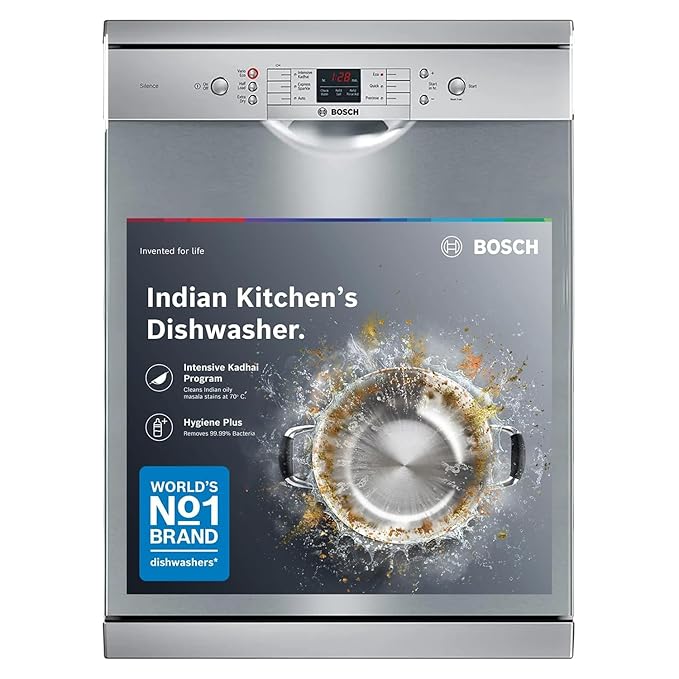
Best Dishwashers in India
Quiet, water-efficient dishwashing optimized for Indian cooking pans.

Best Action Cameras in India
Capture high-octane adventures with stabilized 4K action cams.

Best Sewing Machines
Compact, versatile sewing machines for tailoring and modern embroidery.

Best Video Projectors
Bring the cinema home with smart, bright LED & Laser projection devices.

High-Pressure Car Washers
Blast away grime from vehicles, patios, and outdoor structures easily.

Best Mirrorless Cameras
Stunning autofocus and low-light performance for creators and vloggers.

Best Acoustic Guitars
Rich resonance and comfortable playability for beginners and pros.

Best Electric Guitars
Versatile sound pickups, rock styling, and premium build quality.